Data protection for client confidentiality
Client confidentiality is a professional obligation and a practical one.
Clients trust firms with information that could cause serious harm if mishandled: personal details, financial records, commercial strategy, litigation plans, and private correspondence. That trust is earned over time and can be lost very quickly.
In a modern legal environment, confidentiality depends as much on systems and processes as it does on ethics and intent. Case files are digital. Communication happens over email and collaboration platforms. Staff work remotely. Third parties support everything from document management to billing. Each of these introduces efficiency, but also complexity and risk.
This article looks at how organisations can protect client confidentiality in practice, aligning day-to-day operations with GDPR requirements, SRA guidance, and real-world cyber threats. The focus is not theory, but defensible, repeatable actions that stand up under scrutiny.
Why client confidentiality underpins clients’ trust in the legal profession and beyond
Clients share sensitive information because they believe it will be handled responsibly. They rarely distinguish between legal, operational, or technical failures. If data is exposed, the firm is accountable regardless of whether the root cause was a system misconfiguration, a phishing email, or a third-party supplier.
Digital working has widened the surface area where things can go wrong. Information is accessed from more locations, stored in more systems, and handled by more people than ever before. That does not mean firms should retreat from modern working, but it does mean that confidentiality now requires active management.
Trust is reinforced when clients see evidence of good governance, strong controls, and professional responses to risk. Firms that treat data protection as part of client service, rather than a back-office compliance task, are far better positioned to maintain long-term confidence.
GDPR Article 32 security measures and UK compliance obligations
GDPR Article 32 sets out expectations rather than a checklist. Organisations must implement security measures that are appropriate to the risks posed to individuals’ rights and freedoms. For firms handling sensitive legal information, this means taking a structured, well-documented approach to security.
Assessing risks to data stored, in transit and at rest
Understanding risk starts with understanding data flows. Client information may be stored in document management systems, cloud platforms, or archived backups. It moves between users via email, remote access, and file sharing. It may also pass through third-party systems.
Each state introduces different vulnerabilities. Data in transit can be intercepted if not properly encrypted. Data at rest can be accessed if permissions are too broad or systems are poorly secured. Backups can be targeted because they often contain large volumes of sensitive information.
Risk assessments should identify where data is held, who can access it, and what would happen if that access were misused. This exercise should be repeated when systems change, new services are introduced, or working practices evolve.
Applying appropriate technical and organisational controls
Appropriate controls balance protection with practicality. Technical controls such as encryption, access management, and monitoring reduce exposure to cyber threats. Organisational controls such as policies, training, and defined responsibilities ensure those technologies are used correctly.
Neither works in isolation. A strong technical control can be undermined by poor process. A well-written policy is ineffective without enforcement. Effective security combines both, creating layers that compensate when one element fails.
Lawful bases, data minimisation and privacy by design
Lawful processing establishes the legal basis for handling client data, but risk reduction comes from how much data is held and how long it is retained. Excessive retention increases the impact of breaches and complicates compliance.
Privacy by design requires security and data protection considerations to be embedded at the start of projects. Systems should default to limited access, secure configuration, and minimal data exposure. Retrofitting these controls later is more costly and less reliable.
Breach notification (ICO) timelines and evidence requirements
The requirement to notify the ICO within 72 hours assumes organisations can quickly understand what has happened. That requires preparation. Logging, access records, and incident response procedures must already be in place.
Firms should know who assesses incidents, how decisions are documented, and what evidence is required. Clear processes reduce confusion during stressful situations and support defensible reporting.
Building an information governance framework
Information governance provides consistency. It ensures that controls remain effective as staff change, systems evolve, and workloads increase.
Policies for retention & disposal policies and least-privilege access
Retention policies limit how long data is kept and reduce unnecessary exposure. Disposal processes ensure data is securely deleted when no longer required. Together, they support GDPR compliance and reduce the volume of data at risk.
Least-privilege access limits exposure by ensuring users only have access to information required for their role. This reduces accidental disclosure and limits damage if credentials are compromised.
Roles and accountability: data owners, DPO, and senior sponsorship
Clear accountability prevents gaps. Data owners understand how information is used. The DPO provides oversight and challenge. Senior leadership ensures data protection remains a priority rather than a compliance afterthought.
When accountability is unclear, risks go unmanaged. When it is explicit, issues are identified and addressed earlier.
Alignment with SRA cybersecurity guidance for the legal profession
The SRA expects firms to recognise cybersecurity as part of professional risk management. Aligning internal governance with SRA guidance demonstrates awareness of sector-specific expectations and supports insurer and client confidence.
Third-party oversight, due diligence and contractual safeguards
Third parties often handle sensitive data or provide critical systems. Due diligence should assess security controls, not just service capability. Contracts should define responsibilities, data handling standards, and notification obligations.
Oversight should continue throughout the relationship, particularly when suppliers change systems or working practices.
Access security: zero-trust access controls, MFA and privileged access management (PAM)
Access control determines who can see client information and under what conditions. Poor access controls are one of the most common contributors to data breaches.
Role-based access control (RBAC) and need-to-know principles
RBAC aligns access with job function rather than individual preference. This reduces complexity, simplifies audits, and ensures access changes automatically as roles change.
Need-to-know principles further limit exposure by restricting access to specific matters or datasets.
Privileged session monitoring and just-in-time elevation
Administrative accounts have broad access and therefore represent significant risk. Privileged access management restricts when elevated access is granted, monitors activity, and reduces standing privileges.
This approach limits opportunities for misuse and improves traceability.
Zero-trust on mobile device and remote work scenarios
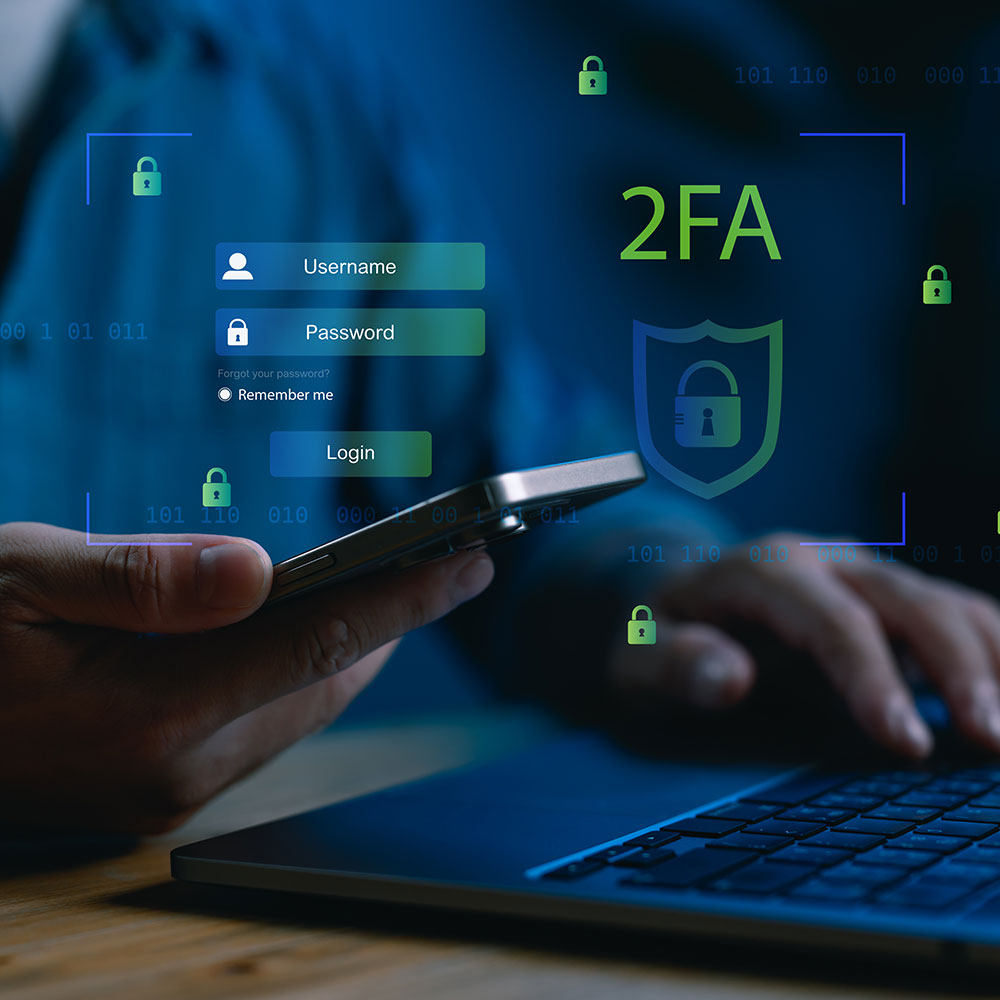
Remote work increases reliance on identity rather than location. Zero-trust models require continuous verification based on identity, device condition, and context. This approach reflects how people actually work today and reduces reliance on perimeter-based assumptions.
Audit logging & SIEM for verification and accountability
Logs provide evidence. SIEM platforms aggregate and analyse logs to identify suspicious patterns and support investigations. Without logging, organisations lack visibility and struggle to demonstrate compliance.
Encrypt data properly: TLS for data in transit and encryption key management (KMS/HSM)
Encryption protects data when other controls fail, but only if it is implemented and managed correctly.
Strong encryption for email communications, case files and backups
TLS protects data in transit. Encryption at rest protects stored data and backups. Together, they reduce the risk of interception and unauthorised access.
Encryption should be consistently applied across systems, not limited to selected workflows.
Decryption key separation, rotation and access controls
Encryption keys must be protected independently of the data they secure. Proper key management systems allow for rotation, access control, and auditability.
Poor key management undermines encryption entirely.
Secure client portals & email vs consumer-grade file sharing
Secure client portals and encrypted email provide controlled environments for sensitive exchanges. Consumer-grade file sharing tools often lack sufficient access controls, audit logging, and contractual assurances.
Preventing data loss and human error
Technology reduces risk, but human behaviour still plays a significant role in incidents.
Data loss prevention (DLP) for email security and file exfiltration
DLP tools monitor content leaving the organisation and help prevent accidental disclosure. This is particularly important for email, where mistakes are easy and consequences significant.
Redaction done right: permanent removal versus black-box masking
Redaction must permanently remove information. Visual masking alone is insufficient and has led to serious breaches. Firms should ensure tools and processes are properly validated.
Staff training, social engineering awareness and operational discipline
Regular training helps staff recognise phishing attempts and social engineering tactics. Clear procedures and consistent reinforcement reduce reliance on memory during high-pressure situations.
Monitoring, access reviews and immutable/offline backups
Regular access reviews prevent permission creep. Immutable and offline backups provide resilience against ransomware and accidental deletion.
Operational resilience: disaster recovery and incident response
Operational resilience ensures firms can continue to meet obligations even during disruption.
Assume-breach planning with tested runbooks
Incident response plans should be practical, tested, and understood. Runbooks provide clarity during incidents and reduce reliance on improvisation.
Recovery point and time objectives for sensitive information
Clear recovery objectives define acceptable data loss and downtime. These should reflect regulatory obligations and client expectations, not just technical convenience.
Vendor risks, continuous patching and configuration baselines
Unpatched systems and inconsistent configurations create avoidable risk. Regular patching, secure baselines, and supplier oversight remain fundamental controls.
Protecting client confidentiality requires discipline, consistency, and attention to detail. It is not about perfection, but about making sensible, defensible decisions and being able to demonstrate them when required.
For organisations seeking structured support, experienced cybersecurity services can help align governance, technology, and people into a coherent, resilient approach.
Client trust is built quietly over time. Strong data protection is how you make sure it stays that way.
Make sure your client data is as protected as you think it is
Client confidentiality requires controls that hold up under real-world conditions. Gaps in your infrastructure, identity management or endpoint protection can put sensitive data at risk without you knowing. Our Security Audit gives you a clear view of where your data protection stands and a prioritised roadmap to address any weaknesses before they become a breach. Your clients trust you with their data. Book your Security Audit today and make sure that trust is well placed.
Learn more